
How Parents Can Help Kids Grow Lasting Confidence and Independence

For parents of children and teens, the hardest part of supporting children’s self-confidence is knowing when to step in and when to step back. Too much fixing can quietly teach doubt, while too much pressure can make mistakes feel unsafe. Confidence is more than a bold personality; it’s the everyday foundation for lifelong success skills like building resilience, taking healthy risks, and staying steady when life gets bumpy. Small daily choices at home can shape a positive self-image and deep confidence in children.

confidence

Quick Key Takeaways for Building Confidence

  • Praise effort and progress, not just achievements, to build lasting confidence.

  • Support age-appropriate independence by letting kids try, choose, and take on responsibilities to foster inner confidence.

  • Celebrate each child’s uniqueness to strengthen self-worth and self-acceptance.

  • Treat setbacks as learning moments to build resilience and problem-solving skills.

  • Encourage exploration while offering steady support and encouragement as kids grow.

Understanding What Builds Lasting Confidence and Self-Worth

Worth grounding this in one simple idea: self-esteem grows when kids connect who they are with what they can learn. When you notice effort, you teach them that progress is possible, not fixed. Over time, that supports the confidence and satisfaction that makes them feel steady inside.

This matters because confidence sticks best when a child feels capable, supported, and accepted, even on hard days. That safety helps them take healthy risks, handle feedback, and recover after setbacks. It also strengthens the belief in abilities that drives independence and long-term confidence.

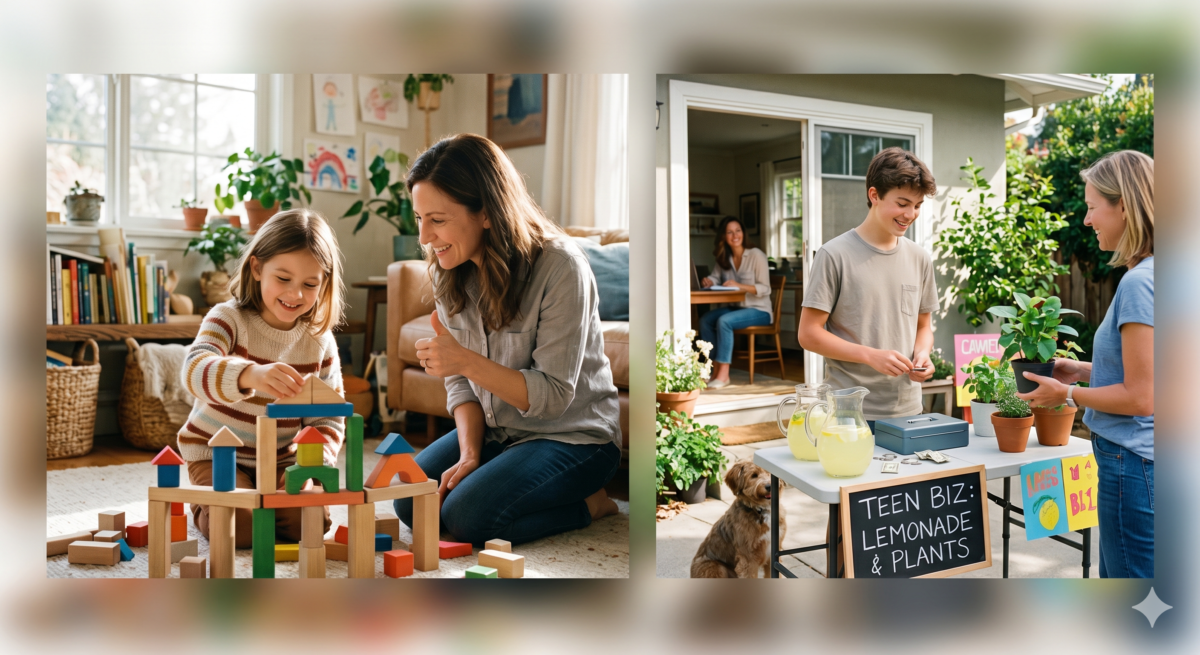
The Puzzle Example: Picture your child struggling with a puzzle, then snapping a piece and getting upset. You stay calm, name the feeling, and praise their persistence, not just the win. Next time, they try again faster because failure feels survivable—that is how confidence is built.

Try a Teen Business Project to Grow Responsibility and Confidence

When confidence grows from real skills, teens benefit most from chances to practice those skills in the real world. A teen-run business project is a powerful way to build responsibility because it naturally requires problem-solving, decision-making, and follow-through.

As they make choices and see the results, they start to trust themselves more—not because you told them they’re capable, but because they proved it to themselves. This “proof of work” creates a cycle of increasing confidence. Optimal teen business ideas are simple and low-cost, like tutoring or pet care. If the venture takes off, registering as an LLC through a formation service can help make their goals feel official, further boosting their professional confidence.

confident teen

Use Daily Moves to Strengthen Self-Confidence and Independence

Confidence grows best in small, repeatable moments, especially when kids feel noticed, capable, and trusted. Much like helping kids build lifelong healthy habits, these daily ‘moves’ are designed to build independence without piling on pressure.:

  1. Praise the effort, not the outcome: Swap “You’re so smart” for a quick, specific snapshot of what they did. This teaches kids that progress comes from practice, anchoring their confidence in work ethic.

  2. Offer two good choices every day: Build decision-making into routines. The “two-choice” limit keeps you in charge of boundaries while giving them the confidence of real control.

  3. Run a 10-minute “try it again” reset: After a flop, set a timer for a calm redo. This turns setbacks into data, which is the backbone of lasting confidence.

  4. Give one household responsibility with full ownership: Pick a job they can manage and let it truly be theirs. This reinforces their confidence in handling “operations.”

  5. Create a low-pressure “micro-experiment”: Instead of a whole season, try a 2-week experiment. The goal is curiosity and follow-through, not instant talent.

  6. Model brave behavior out loud: Kids learn courage by watching you handle discomfort. This shows them confidence is a skill, not a personality trait.

Common Questions Parents Ask About Raising Kids with Confidence

If you’re wondering whether you’re doing “enough,” these quick answers regarding childhood confidence can help:

  • Q: How can I encourage my child to handle setbacks without losing confidence?

    • A: Start by naming what happened without judgment, then add belief: “That was hard, and you can learn it.” Remind them that self-confidence includes trusting judgment, which grows through practice, not perfection.

  • Q: What are effective ways to let children make decisions that build their independence?

    • A: Offer small, real choices inside your boundaries. Confidence builds when they see their choices matter and they feel the “win” of a good decision.

  • Q: How do I help my child develop a positive self-image?

    • A: Normalize comparison, then pivot to identity. Focus on recognizing individual strengths to build a unique sense of confidence.

Build Lifelong Confidence Through Small, Steady Parenting Routines

It’s hard to watch kids struggle and still resist fixing everything for them, especially when confidence feels fragile. The steadier path is a mindset of empowering children through consistent parental support: warm connection, clear limits, and calm follow-through.

Over time, that predictability helps with nurturing resilience and developing lifelong confidence they can carry into new challenges. Consistency, not perfection, is what builds a confident, resilient child. Choose one routine from this week and practice it daily to see the shift in your child’s confidence and happiness.

You can find more strategies for setting up these foundations in this guide for moms helping kids build lifelong healthy habits.
Guide for Moms Helping Kids Build Lifelong Healthy Habits

For busy parents of young children, especially mothers and caregivers balancing work, teen anxiety in the household, or the extra layers that can come with adoption, child health and well being can feel like one more thing to manage perfectly. Healthy habits are not even on the radar for many.

The core tension is real: families want to guide children’s lifestyle choices with care, yet everyday parenting challenges like stress, picky eating, screen time battles, and inconsistent routines can make healthy family habits feel out of reach. Even so, kids don’t need flawless parents to learn what “normal” looks like at home. With small, steady shifts, families can shape routines that support lifelong well being.

Understanding How Healthy Habits Become “Normal”

Healthy habits are not willpower tricks. They are patterns kids absorb through child development, nutrition, and daily cues about what bodies and feelings need. When parents repeat small routines, children’s brains start to treat those choices as the default, not a constant debate.

This matters because family routines shape more than weight or energy. With 1 in 3 youth facing a mental, emotional, developmental, or behavioral problem, steady basics like food, movement, and sleep can support calmer moods and resilience. They also lower the pressure on you to “fix” everything at once.

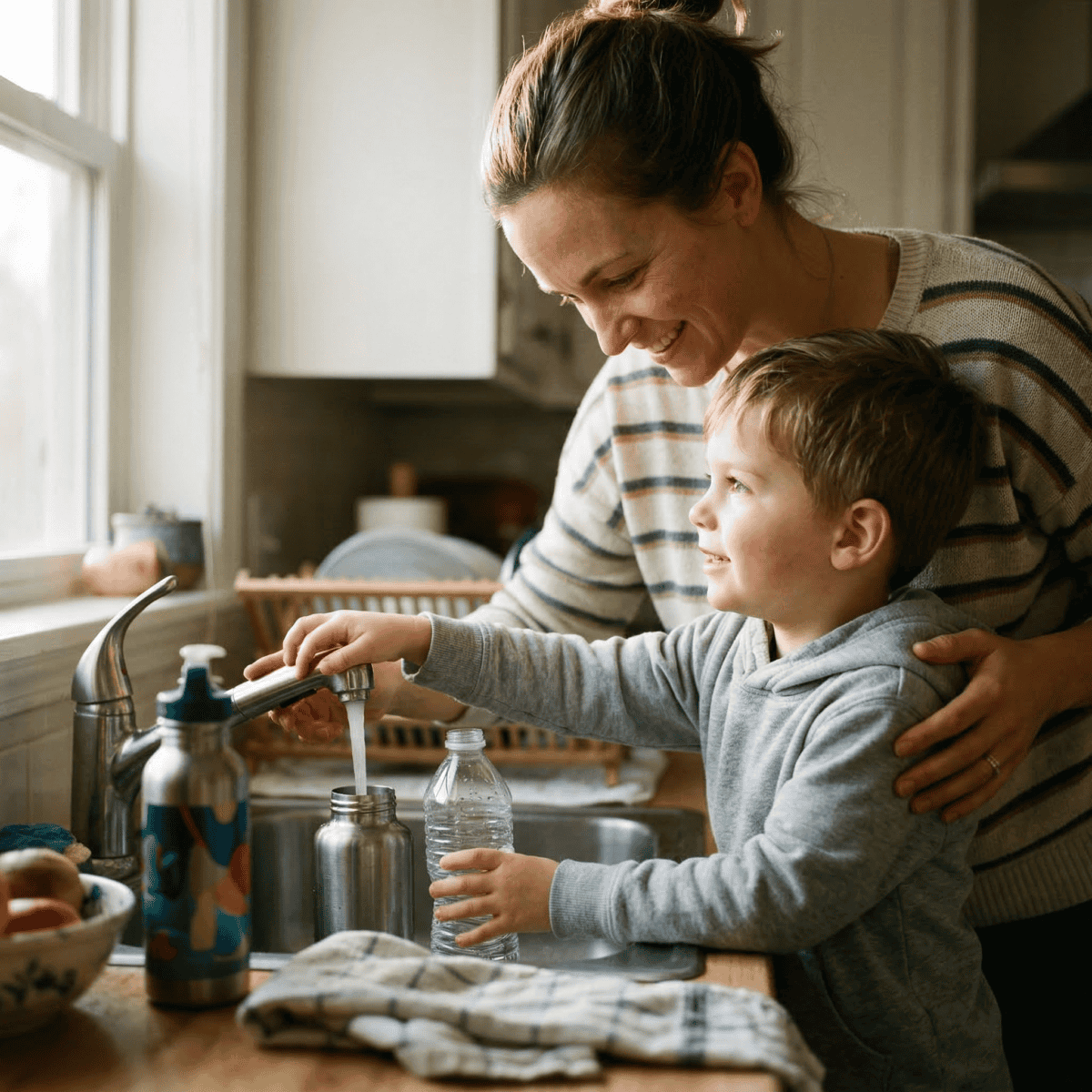
Think of it like teaching a first language. If water is the usual drink and walks are the usual reset, kids reach for them without drama. Even positive parental influence links with healthier activity patterns, because children copy what gets repeated.

That’s why a simple “habit set” helps: food, movement, screens, calming skills, and sleep.

————————–

Daily and Weekly Habits Kids Actually Keep

Try these small routines for steady momentum.

These habits work because they make healthy choices feel predictable, not like another thing you must police. For moms balancing mental health and self-care, repeatable cues reduce decision fatigue and help you lead calmly over time.

Build-a-Plate Baseline
  • What it is: Serve a “three-part plate” with protein, produce, and a carb most meals.
  • How often: Daily
  • Why it helps: Predictable meals support steadier energy and fewer mood dips.
Ten-Minute Family Move
  • What it is: Do a short dance, walk, or stretch together before homework or dinner.
  • How often: Daily
  • Why it helps: Movement releases tension and improves focus for everyone.
Screen-Time Guardrails
Two-Minute Reset Breath
  • What it is: Practice box breathing together after school or before bed.
  • How often: Daily
  • Why it helps: It teaches kids a fast, portable calm-down skill.
Same-Three Bedtime Anchors
  • What it is: Repeat three steps: wash, read, lights out at the same time.
  • How often: Nightly
  • Why it helps: Consistency helps kids settle faster and wake more regulated.

Pick one habit this week, keep it simple, and adjust it to fit your real life.

————————

How to Add Wellness Routines Without Overhauling Life

Here’s how to move from ideas to healthy habits.

This process helps you introduce wellness routines in a way your kids can actually stick with, without turning your home into a constant negotiation. It matters for moms because a gradual plan protects your own mental energy while you model calm, consistent self-care.

1. Step 1: Choose one “tiny win” routine


Start with a single routine that takes 2 to 10 minutes and fits a time you already have (after school, before dinner, or at bedtime). Tell your child you are running a short experiment for one week, not changing everything forever. This keeps pressure low and boosts follow-through.

2. Step 2: Set a clear cue and a simple script


Pick one specific cue that triggers the habit (example: “When backpacks go down, we do our reset”). Use one calm sentence to explain the why: “This helps our bodies and brains feel steadier.” A predictable cue plus steady language prevents repeated debates and reduces your decision fatigue.

3. Step 3: Let your child help shape the options


Offer two choices that both meet your goal: “Do you want a walk or a dance break?” or “Do you want to read first or wash up first?” Choice creates cooperation because your child gets a voice, while you still hold the boundary.

4. Step 4: Reinforce effort, not results


Give quick, specific praise right after the routine: “You started right away, that was helpful,” or “Nice job taking three slow breaths.” Keep rewards simple and relational, like extra story time or picking the music, so the focus stays on connection and confidence.

5. Step 5: Track lightly, then adjust once a week


Use a 7-box checkbox on paper or a note on the fridge, and mark it once per day with your child. The habit of tracking daily and weekly behaviors can build consistency without making you micromanage, but avoid intensity if you tend to take tracking too far and feel stressed by it. At the end of the week, keep what worked, tweak one friction point, and repeat.

Small, steady repeats build the kind of calm confidence your family can lean on.

———————-

Real-Life Questions Moms Ask About Healthy Habits

When life feels messy, simple answers can bring relief.

Q: How can I encourage my child to develop healthy eating habits from a young age?


A: Aim for “mostly nourishing” rather than perfect meals, especially during stressful seasons. Offer regular meals and snacks, include one familiar food, and let your child decide how much to eat. Invite them to pick a fruit, stir, or set the table so food feels safe, not pressured.

Q: What are effective ways to motivate kids to stay active without feeling overwhelmed?


A: Keep movement short and playful: 5 to 15 minutes counts. Give two options you can live with, like a walk, a dance song, or a quick scavenger hunt. Tie it to stress relief by saying, “This helps our bodies settle.”

Q: How do I support my child in managing stress and anxiety as they grow?


A: Start by helping them name triggers such as school load, friendships, or schedule changes. Practice two quick tools together: box breathing for one minute and a 5-4-3-2-1 grounding scan. Knowing that many teens report persistent feelings of sadness can also reassure you that support is common and worthwhile.

Q: What strategies help balance screen time with outdoor activities for the whole family?


A: Choose clear “screen windows” and protect one daily outside anchor, even if it is ten minutes after dinner. Put phones to charge in a common spot and make the outdoors easy with shoes, balls, or chalk ready. Consistency beats long lectures.

Q: What steps can I take if I feel stuck balancing care giving responsibilities while considering ways to advance my own career options?


A: Start with a stress inventory: list what drains you most and what support you can ask for this week. Try a two-minute reset before planning, inhale for four, exhale for six, then write one small career step like updating a resume line, researching a structured online course, or exploring computer science studies. Tiny progress lowers pressure and restores direction.

You are allowed to build health and hope one small choice at a time.

——————–

Sustaining Healthy Habits Through Small Choices and Role Modeling

When family life is already stretched by stress, routines can feel like one more battle, and kids may push back just when structure matters most. The steady path is a mindset of long-term family wellness: focus on small, repeatable choices, lean on parental role modeling, and treat setbacks as information rather than failure.

Over time, this approach makes sustaining healthy habits feel normal, helping motivate children towards well being and encouraging lifelong healthy choices without constant negotiation. Consistency, not perfection, is what turns healthy habits into a family identity. Choose one next healthy choice today and name it out loud so everyone can see what “trying again” looks like. That’s how daily moments become resilience, stability, and connection for the years ahead.

Come back for more helpful content: My Warrior Mom Life